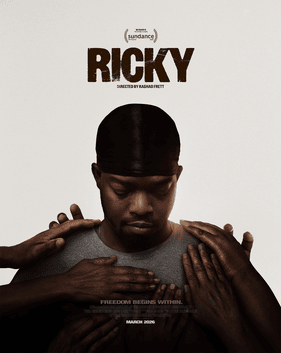
Understanding Ricardo Smith: The Daily Challenges of a Parolee in "Ricky"
For those seeking details on
ricky norwood net worth, it's important to clarify that this article delves into a different 'Ricky' entirely—Ricardo Smith, the compelling protagonist of Rashad Frett's powerful feature debut, "Ricky." This film offers a stark and empathetic portrayal of an ex-con's arduous journey to reintegrate into society, highlighting the often-invisible obstacles that persist long after a prison sentence is served. "Ricky" is a social-realist drama that transcends a simple issue-of-the-week narrative, becoming a profound exploration of human resilience against a legal system frequently criticized for perpetuating cycles of incarceration.
Stephan James delivers a tour-de-force performance as Ricardo Smith, earning comparisons to the kind of transformative roles seen in acclaimed festival films. His portrayal injects deep humanity into a character who could easily have been a mere symbol of systemic failure. Set within a vibrant Caribbean community in Connecticut—a personal touchstone for director Rashad Frett—the film unveils the layered complexities of a parolee's daily existence, where every step towards a law-abiding life feels like an uphill battle. The recent success of other thought-provoking films like
Sing Sing and
Nickel Boys suggests a growing appetite for narratives that humanize the incarcerated and explore the often-flawed mechanisms of justice, positioning "Ricky" for a sympathetic and resonant reception.
Ricardo Smith: A Portrait of Post-Incarceration Life
When we first encounter Ricardo Smith, he's known simply as "Ricky," diligently working a mundane job for an old friend, shifting boxes. This seemingly simple task belies the immense internal and external effort required for him to simply *be* in that position. It’s a testament to the film's nuanced approach that even a casual interaction, like being offered weed by local hoods and attempting to avoid conflict, reveals his deep-seated concern for extricating himself from bad company rather than just fear. This constant vigilance, this hyper-awareness of potential triggers and pitfalls, is a constant companion for many parolees.
Ricardo's initial interactions paint a picture of a man attempting to restart with very little. A chance encounter with single mom Jaz (Imani Lewis) fills in crucial details about his backstory: he's a barber by trade, lives at home with his mother, lacks a car, and astonishingly, doesn't even know his own cellphone number. These small details are powerful indicators of a life disrupted, a person disconnected from the mundane necessities and conveniences that most take for granted. They highlight the fundamental challenges of rebuilding a life from scratch, where even basic personal information can feel like a luxury.
Stephan James's portrayal of Ricardo is captivating because he doesn't play him as a victim, but as a man constantly calculating, navigating, and striving. He embodies the quiet determination and underlying vulnerability that makes Ricardo profoundly relatable. As audiences witness Ricardo's struggles, they are invited to reconsider preconceived notions about individuals re-entering society after incarceration. For a deeper dive into James's performance, read
Stephan James Shines in "Ricky": Exploring an Ex-Con's Struggle.
Navigating a Broken System: The Parolee's Gauntlet
The mystery surrounding Ricky's past gradually unravels, revealing the true weight of his situation. When he's forced to undergo a background check and storms out, the penny drops. His parole officer, Joanne (Sheryl Lee Ralph), soon appears at his door, delivering a stark warning: employment is not just an option, but a mandatory condition of his parole. This moment underscores the film's central thesis: the legal system, rather than truly rehabilitating, often sets up an intricate gauntlet designed to keep convicted individuals perpetually entangled.
The "broken legal system" that Frett so thoughtfully explores manifests in several ways:
-
The Stigma of the Past: Every background check, every official form, becomes a barrier rather than a gateway. The label of "ex-con" precedes any professional or personal opportunity, often shutting doors before a person can even speak.
-
Precarious Freedom: Parole itself is a fragile state. One misstep, one accidental association, one failure to comply with strict conditions, can send a person back to prison, erasing months or years of hard-won progress. Joanne's stern warning isn't merely procedural; it's a constant threat hanging over Ricky's head.
-
Lack of Support: While parole officers are meant to guide, the system often lacks the comprehensive support structures (housing, mental health, job training beyond basic requirements) necessary for genuine reintegration. Parolees are often expected to succeed in a society that is not ready to fully accept them back.
"Ricky" masterfully illustrates how these systemic hurdles make the simple act of "being a law-abiding citizen" an extraordinary feat. It's not enough to *want* to do good; one must constantly prove it, against a backdrop of suspicion and limited resources. The film resonates deeply with other cinematic examinations of the justice system, as explored in
"Ricky" Review: Rashad Frett's Drama on the Broken Legal System, and stands alongside films like
Sing Sing and
Nickel Boys in its poignant critique.
Beyond the Bars: Social and Personal Roadblocks
Ricardo's journey extends beyond the legal and employment challenges; it delves into the profound social and personal roadblocks that define a parolee's life. The encounter with Jaz, a single mother, represents a flicker of hope for connection and normalcy. However, his past casts a long shadow over this burgeoning relationship. How do you explain a life lived behind bars? How do you build trust when your own history is a constant vulnerability?
-
Rebuilding Relationships: For many ex-cons, family ties may be strained or broken, and forming new, healthy relationships is incredibly difficult. Ricky living with his mother suggests a level of familial support, but also a dependency that he likely wishes to overcome.
-
The Mental and Emotional Toll: The constant stress of parole, the fear of re-offending (even accidentally), and the pervasive stigma contribute to significant mental health challenges. Anxiety, depression, and PTSD are common among individuals returning from incarceration. Ricky's guarded demeanor and quiet intensity suggest the weight he carries.
-
Finding Purpose: His barber skills offer a glimpse into a potential future—a passion, a source of income, and a way to connect with the community on his own terms. However, obtaining the necessary licenses, equipment, and a suitable workspace can be insurmountable hurdles for someone with his background.
Practical Tips for Supporting Reintegration:
For communities and individuals seeking to aid parolees like Ricardo Smith, understanding these challenges is the first step.
- Advocate for "Ban the Box" Policies: Removing the criminal history question from initial job applications can give qualified individuals a chance to demonstrate their skills before their past is revealed.
- Support Reentry Programs: These programs offer crucial services like housing assistance, job training, legal aid, and mental health counseling tailored for formerly incarcerated individuals.
- Combat Stigma: Educate yourself and others about the realities of incarceration and reentry. Challenge stereotypes and promote empathy.
- Offer Second Chances: If you're an employer, consider hiring individuals with criminal records. Many are highly motivated and dedicated to proving themselves.
- Provide Mentorship: A strong support network can make a significant difference. Mentors can offer guidance, emotional support, and practical advice.
The Broader Message of "Ricky": Empathy and Reform
"Ricky" is more than just a character study; it's a profound statement on the human cost of a punitive justice system. Rashad Frett's thoughtful direction ensures that the film avoids easy answers, instead prompting viewers to confront uncomfortable truths about societal responsibility and the potential for redemption. The film doesn't glamorize crime or demonize law enforcement; rather, it highlights the systemic inefficiencies and prejudices that make genuine rehabilitation an almost heroic endeavor.
The film's strength lies in its ability to humanize Ricardo, making his struggles palpable and universal. It forces audiences to consider the "amount of effort it takes to be a law-abiding citizen in America," an effort often exponentially greater for those carrying the burden of a criminal record. By focusing on the day-to-day grind, the small victories, and the ever-present threats, "Ricky" contributes significantly to the ongoing conversation about criminal justice reform. It argues implicitly that true justice isn't just about punishment, but about providing meaningful pathways to reintegration and offering individuals a genuine chance to rebuild their lives and contribute to society.
Conclusion
"Ricky" stands as a powerful testament to the resilience of the human spirit in the face of daunting adversity. Through the eyes of Ricardo Smith, portrayed with captivating depth by Stephan James, audiences are given an unfiltered look into the daily challenges faced by parolees. The film thoughtfully critiques a legal system that often traps individuals in a cycle of marginalization, while simultaneously celebrating the quiet strength required to break free. It's a compelling narrative that sparks empathy, encourages critical thinking about justice, and reminds us that the journey to rehabilitation is long, arduous, and deserving of our collective understanding and support. "Ricky" is a must-watch for anyone interested in stories of human perseverance and the ongoing fight for a more equitable and compassionate society.