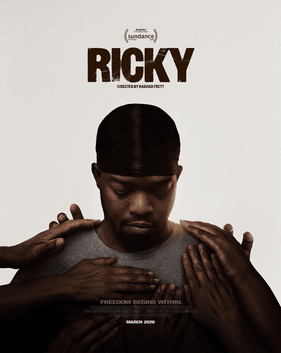
Stephan James Shines in "Ricky": Exploring an Ex-Con's Struggle and the Road to Redemption
For those intrigued by powerful cinematic narratives that shed light on societal challenges, or perhaps even searching for details on Ricky Norwood's net worth, prepare to immerse yourself in a different, equally compelling story. This article delves deep into "Ricky," a powerful new drama starring the critically acclaimed Stephan James, a film that masterfully explores the arduous journey of an ex-convict striving to rebuild his life in a world often predisposed to keep him down. Rashad Frett's feature debut is not just a movie; it's a poignant examination of the human spirit's resilience against a backdrop of systemic hurdles, anchored by a performance from James that is already drawing significant buzz.
In an era where films like Sing Sing and Nickel Boys have successfully brought stories of incarceration and reintegration to the forefront, "Ricky" arrives as a timely and essential addition. It's a film that resonates with a growing understanding of the complexities faced by individuals exiting the penal system, challenging preconceptions and fostering empathy. Stephan James, known for his nuanced roles, takes on the titular character with a depth and vulnerability that transforms what could have been a simple issue-of-the-week movie into a deeply human drama.
The Raw Heart of "Ricky": Stephan James's Transformative Performance
Stephan James is no stranger to embodying complex characters, but his portrayal of Ricky, also known as Ricardo Smith, stands out as a career-defining moment. He doesn't just play a role; he inhabits Ricky, making his struggles palpable and his quiet determination inspiring. James brings a remarkable authenticity to the character, allowing audiences to feel the weight of Ricky's past, the constant anxiety of his present, and the flicker of hope for his future. This isn't merely an acting performance; it's a masterclass in subtlety, where a look, a gesture, or a prolonged silence conveys more than pages of dialogue ever could.
The film opens with Ricky working a mundane job, shifting boxes for an old friend. This seemingly simple setup immediately establishes his humble circumstances and his efforts to maintain a low profile. James’s body language in these early scenes speaks volumes about a man trying to disappear into the background, wary of any attention that might jeopardize his fragile freedom. His encounter with local hoods, where he calmly extricates himself rather than engaging, highlights a deep-seated caution – a learned behavior from a life that punishes missteps severely. It's this careful navigation of everyday life that James so brilliantly portrays, making Ricky's struggle universally understandable, even if the specifics of his situation are unique.
James's ability to infuse Ricky with such profound humanity is what elevates the film beyond a standard social-realist drama. He portrays not just an ex-con, but a person striving for dignity, connection, and a fresh start. This kind of performance is crucial for films tackling such weighty subjects, as it ensures the audience connects with the individual story, not just the broader societal issue. It's a testament to his talent that "Ricky" is positioned to garner significant attention, much like other acclaimed films that have humanized the experience of incarceration and reintegration.
Unpacking Ricardo Smith's World: A System Designed to Fail?
"Ricky" doesn't shy away from presenting a stark reality: the immense effort required to be a law-abiding citizen after having served time. The film is a thoughtful exposé of a legal system that, as the narrative suggests, often seems designed to keep convicted individuals perpetually entangled in its web, rather than facilitating genuine rehabilitation. Ricky's environment is the vibrant Caribbean community in Connecticut, a personal touchstone for director Rashad Frett, which adds a layer of cultural texture without becoming the central plot point. It's a backdrop that feels authentic, lived-in, and full of its own unique pressures and support structures.
When we first meet Ricky, his life appears to be a delicate balance. He works a basic job, lives at home with his mother, and lacks many of the everyday amenities most take for granted, like a car or even knowing his own cellphone number – details that subtly hint at a life lived without much agency or personal infrastructure. His chance encounter with Jaz (Imani Lewis), a single mom, begins to peel back layers of his carefully constructed existence, revealing glimpses of the barber he once was and the potential he still holds. These interactions are crucial in building Ricky’s character, showing his capacity for tenderness and connection despite his guarded exterior.
However, the specter of his past is never far. The "penny drops" for the audience when his parole officer, Joanne (Sheryl Lee Ralph), enters the scene. Ralph's portrayal of Joanne is compelling, representing the formal authority that Ricky must constantly navigate. Her warnings underscore the omnipresent threat of parole violation and the rigorous monitoring that former inmates face. This constant surveillance, combined with the difficulty of securing stable employment, paints a clear picture of the systemic barriers that can derail even the most determined efforts at reintegration. The film meticulously illustrates how a single misstep, or even an accidental encounter, can unravel months or years of painstaking effort, pushing individuals back into the very system they are trying to escape.
Beyond the Bars: Practical Hurdles and Emotional Toll
The challenges Ricky faces extend far beyond the literal bars of a prison cell. His journey highlights a myriad of practical hurdles that can be overwhelming for anyone trying to reintegrate into society. One of the most significant is employment. The requirement for a background check often acts as an insurmountable barrier, as Ricky discovers when he storms out of a potential job opportunity. This scene powerfully illustrates the Catch-22 many ex-cons face: they need a job to prove rehabilitation, but their past convictions make it nearly impossible to secure one.
- Employment Discrimination: Employers are often hesitant to hire individuals with criminal records, even for non-violent offenses, due to fear of liability or negative perceptions.
- Social Stigma and Suspicion: Ricky's cautious behavior, his reluctance to engage in seemingly innocent interactions, reflects the deep-seated fear of being judged or implicated. Society's perception of ex-cons often leads to isolation and mistrust, making it hard to form new, healthy relationships.
- Lack of Resources: His inability to recall his own cellphone number or own a car speaks volumes about a life stripped of independence and basic necessities. Rebuilding requires resources, support, and access to services that are often scarce.
- Parole Conditions: The ever-present eye of his parole officer, Joanne, emphasizes the stringent conditions parolees live under. These conditions, while meant to ensure public safety, can also be incredibly restrictive, limiting movement, associations, and personal freedom, thus creating an environment of constant anxiety and scrutiny.
The emotional toll of these challenges is immense. Ricky carries the burden of his past, the pressure of constant scrutiny, and the fear of failure. Stephan James conveys this internal struggle with remarkable poignancy, showing us a man who is both strong and fragile, constantly battling internal demons and external pressures. His quiet resilience in the face of these adversities is what makes his character so compelling and relatable. For anyone interested in understanding the daily challenges of a parolee, "Ricky" offers an unfiltered and empathetic look.
Why "Ricky" Resonates Now: A Timely Narrative
"Ricky" arrives at a critical juncture in cultural discourse, where there is a growing awareness and demand for stories that illuminate the complexities of the criminal justice system and its impact on individuals and communities. The film contributes significantly to this conversation by offering a deeply humanistic portrayal of a systemic problem. It moves beyond abstract statistics to present a tangible, empathetic character whose journey forces viewers to confront their own biases and reconsider their understanding of justice and rehabilitation.
The success of contemporary films addressing similar themes underscores a shift in public perception and a willingness to engage with these difficult realities. "Ricky" doesn't offer easy answers or simplistic solutions; instead, it invites contemplation and discussion. It prompts questions about what true rehabilitation looks like, what society's role is in supporting it, and how we can build a more equitable system that fosters second chances rather than perpetuating cycles of incarceration.
For those inspired by "Ricky" to learn more or take action, several avenues exist:
- Support Reintegration Programs: Many non-profits focus on helping ex-offenders find housing, employment, and mental health support.
- Advocate for Policy Reform: Learn about and support legislative efforts aimed at fair chance hiring, reducing mandatory minimum sentences, and improving parole conditions.
- Educate Yourself and Others: Continue watching and discussing films like "Ricky" to foster empathy and understanding within your community.
- Volunteer: Offer your time or skills to organizations working directly with individuals transitioning out of incarceration.
By bringing Ricky's story to the screen with such honesty and intensity, Rashad Frett and Stephan James have created a powerful piece of cinema that is both deeply moving and profoundly important. It's a narrative that will undoubtedly spark conversations and linger in the minds of its audience long after the credits roll.
Conclusion
"Ricky" stands as a testament to the enduring power of human resilience in the face of systemic adversity. Stephan James delivers an unforgettable performance as Ricardo Smith, imbuing the character with a quiet strength and profound vulnerability that makes his struggle utterly compelling. The film, Rashad Frett's impressive debut, is far more than just a drama about an ex-con; it's a critical look at a legal system that often fails those it purports to rehabilitate, set against the backdrop of an individual's tenacious fight for a dignified future. As movies like "Ricky" continue to gain traction, they play a vital role in shifting perspectives and fostering a more empathetic understanding of the immense challenges faced by those seeking a second chance. This is a film that promises to resonate deeply, challenging viewers to look beyond labels and see the human story beneath.
